Sydney Zero Women’s Project tackling barriers for women sleeping rough
A targeted effort to make rough sleeping rare, brief and non-recurring has been launched for women in Inner Sydney.
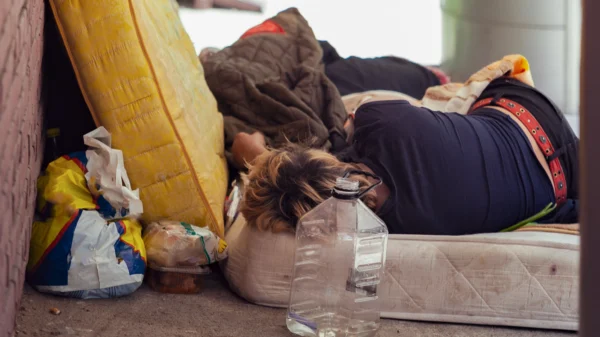
The Sydney Zero Women’s Project, delivered through a collaboration of local government, Homes NSW, health services and specialist homelessness and community organisations, focuses on a small cohort of women sleeping rough around Central Station.
Launched in December 2025, the project provides tailored housing pathways and intensive, wrap-around support through a trauma-informed approach and gender-responsive approach. The approach prioritises women’s physical and emotional safety, choice, control, and culturally responsive support.
Women experiencing homelessness face disproportionate risks, including violence, poor health outcomes, and systemic exclusion, yet are frequently underrepresented in coordinated homelessness responses.
In just eight weeks of project launch, eight women were supported to access either permanent or secondary housing with assistance from the project. These early results show the difference targeted, gender-responsive support can make in accelerating housing outcomes.
Sydney Zero Community Impact Katie Feeney said: “The collective commitment to finding the right solutions for women has been nothing short of remarkable, reflected in the outcomes we’ve achieved.
“We are now focused on applying what we’ve learned to make it easier for all women sleeping on the streets to access safer, more stable pathways.”
Project coordination is managed through the By-Name List (BNL), a shared database that enables coordinated case management and rapid identification of housing and support needs.
Early insights, including feedback from women with lived experience, have identified systemic barriers for women that delay housing outcomes, including rigid eligibility criteria, complex application processes and limited options for women in relationships.
PAYCE Foundation Director Dominic Sullivan said the project is about creating pathways that work for women.
“We need to recognise these women’s lived experience to truly address the barriers that have kept them on the streets for too long,” Mr Sullivan said.
“Early successes show what’s possible when services, government and communities work together to get it right.”